Golden Watercolor Hearts: A Designer’s Honest Take for Real Embroidery Use
First Impressions: Soft, Romantic, and Versatile
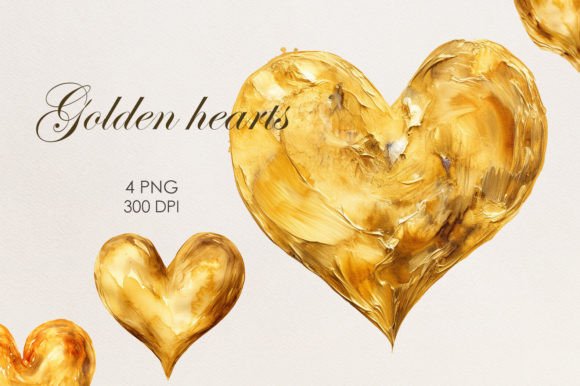
When I first opened the Golden Watercolor Hearts embroidery design, I was struck by its soft, painterly aesthetic. It doesn’t scream for attention like some bolder motifs. Instead, it whispers—gracefully blending watercolor texture with golden accents. The heart motif is timeless, but the watercolor effect gives it a modern, artistic twist that feels fresh for today’s handmade and personalized product markets.
The design has a gentle organic shape, with subtle blending of gold and soft pink tones. It’s not overly detailed, which is a plus for embroidery—it avoids the trap of looking muddy once stitched. This makes it a solid choice for both beginners and experienced embroiderers looking for a design that balances charm and clarity.
Real-World Use: Where Does Golden Watercolor Hearts Shine?
I recently tested this design on a custom embroidered tote bag and a set of personalized baby onesies. The results were surprisingly versatile. On the tote, the watercolor effect translated beautifully into a soft satin stitch gradient, giving the piece a boutique-ready look. For the onesies, the heart felt delicate yet durable after a few washes, especially with the right stabilizer and medium-weight thread.
- Custom Apparel: Works well on sweatshirts and t-shirts, especially in lighter colors where the golden tones can pop.
- Baby Embroidery: Perfect for gender-neutral or pastel-themed baby items like burp cloths, caps, and receiving blankets.
- Gift Items: A standout for Valentine’s Day gifts, wedding favors, or personalized pillows with a romantic flair.
- Commercial Embroidery: Could be adapted for boutique branding or small shop product lines that lean into soft, feminine aesthetics.
It also performed well as a standalone motif on tea towels and aprons, where the design didn’t compete with other patterns. This makes it a great candidate for digital embroidery files sold to Etsy sellers or crafters who want a flexible design that can be mixed and matched.
Where to Be Careful: Fabric, Placement, and Detail
While the Golden Watercolor Hearts design is lovely, it does have some limitations. I noticed this most when testing it on stretchy knit fabrics. The satin stitches, especially around the outer edges, can pucker slightly if the tension isn’t dialed in just right. It’s also not ideal for very small hoop sizes—some of the softer watercolor elements get lost in miniaturization.
Dark fabrics are another consideration. The gold and pink tones don’t always stand out as clearly on black or navy, so I recommend testing with a black and white mockup first or considering a light background applique base.
For curved surfaces like caps or mugs with embroidered sleeves, this design may require some extra hoop positioning care. The soft edges and subtle gradients can get distorted if the fabric isn’t stabilized properly or if the hoop isn’t aligned with the curve.
Visual Impact: From Stitching Clarity to Customer Appeal
One of the strongest points of Golden Watercolor Hearts is its visual appeal. It adds a touch of elegance without feeling too formal. That’s a big win for makers selling on Etsy or at craft fairs, where buyers are often looking for something handmade but still modern and wearable.
From a stitching clarity standpoint, it holds up well. The transitions between satin and fill stitches are smooth, and the design doesn’t feel overly dense. That helps with thread coverage and reduces the risk of fabric distortion, especially on thinner materials.
For small business owners, this design can elevate product value. It reads as high-end without requiring complex stitching, which makes it great for digital product previews and printable mockups. Customers tend to trust designs that look intentional and polished—even in a small scale.
Designer Notes: Practical Tips Before You Stitch
Here are a few practical tips I picked up while working with Golden Watercolor Hearts:
- Test on scrap fabric before committing to your final project, especially if you’re using textured or stretchy materials.
- Review thread color contrast—some golden shades may not pop as expected on certain fabric tones.
- Check stitch density to ensure the watercolor effect doesn’t become too heavy or rigid after stitching.
- Confirm hoop size compatibility—this design works best in mid to large hoops to maintain detail.
- Inspect small details under magnification if you’re scaling down for patches or baby items.
- Test in black and white to see how the design holds up without color cues.
- Use proper stabilizer—especially for stretchy or delicate fabrics.
- Confirm licensing before selling finished items or including it in digital product bundles.
If you're selling through Etsy or a craft business, always double-check the commercial use rights for the design file. Many digital embroidery files come with restrictions, and it’s better to be safe than sorry when building your product line.
Final Thoughts: A Design Worth Keeping in Your Library
Overall, Golden Watercolor Hearts is a strong contender for any embroidery designer or small business owner looking for a soft, romantic motif that’s both functional and stylish. It’s not a flashy design, but that’s part of its charm. It fits well in a variety of contexts—from baby embroidery to boutique apparel—and gives a professional finish without requiring advanced stitching techniques.
If you’re building a collection of machine embroidery designs that can be used across multiple product lines, this one earns a spot. Just be mindful of fabric choices and placement, and always test before production. Done right, it can elevate your finished product and help your brand stand out in a crowded handmade market.