h1Watercolor Animal Clipart: A Designer’s Real-World Embroidery Review/h1
h2First Impressions: Soft, Playful, and Versatile/h2
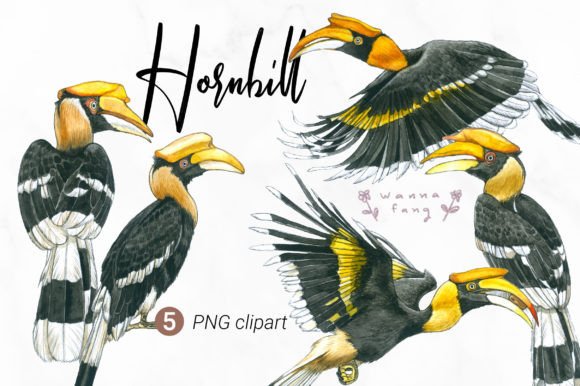
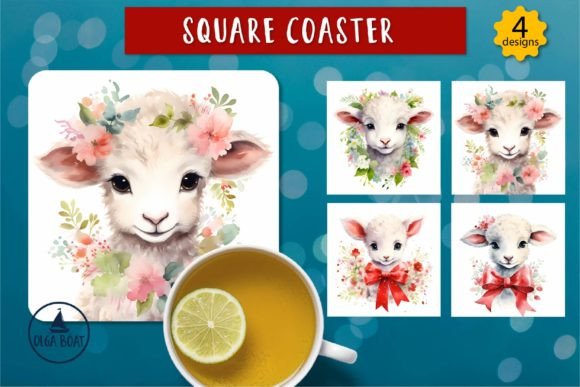
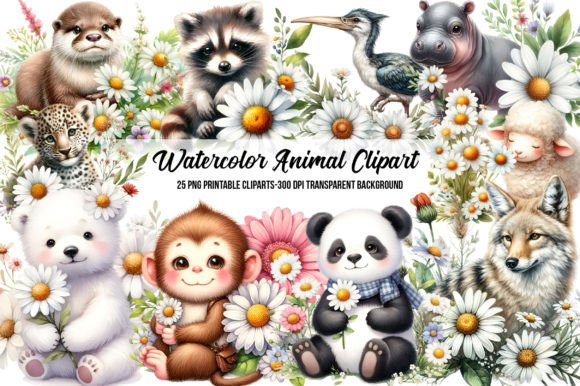
pWhen I first opened the Watercolor Animal Clipart set, the immediate vibe was soft, whimsical, and very approachable. The illustrations carry a gentle watercolor texture with subtle blending—perfect for embroidery projects that lean into a hand-painted aesthetic. These aren’t crisp vector outlines or cartoon-style silhouettes. Instead, they feel like brushstrokes that have been thoughtfully digitized for machine embroidery. This makes them ideal for baby items, nursery decor, and boutique apparel where a delicate, artistic touch is desired./p
h2Real-World Use: From Tote Bags to Baby Onesies/h2
pI tested the clipart on a few real embroidery projects—starting with a custom tote bag for a local boutique. The design translated surprisingly well into stitched form, especially when I used a light stabilizer and a mid-weight cotton canvas. The soft edges gave the embroidered animal a painterly quality, which stood out nicely against the clean tote fabric./p
pNext, I stitched one of the animal illustrations onto a baby onesie. The result was charming—soft enough to feel handmade, but not so vague that it lost definition. It’s a fine balance, and Watercolor Animal Clipart nails it. For Etsy sellers or small shop owners targeting a handmade, personalized baby niche, this design could be a strong seller./p
h2Performance Across Fabric Types and Garments/h2
pI tried the design on a few different materials to see how it held up. On a lightweight linen tea towel, the texture of the fabric blended beautifully with the watercolor effect. The design felt like it belonged there. On stretchy cotton jersey for a sweatshirt, I had to add a bit more stabilizer to prevent puckering, but the result was still clean and expressive./p
pWhen I moved to a dark fabric background, I noticed the light-colored watercolor strokes didn’t pop as much as I’d hoped. This is something to consider—especially if you're planning to use these for commercial embroidery on dark garments. You may want to test with contrasting thread colors or even consider adding a light underlay./p
h2Where to Use with Caution/h2
pThese designs aren’t ideal for every scenario. I wouldn’t recommend them for very small hoop sizes—there’s a loss of detail that makes the animal look more like a smudge than a charming illustration. Similarly, on textured or fuzzy fabrics like felt or minky, the watercolor texture gets lost in the fabric’s nap./p
pI also noticed that on curved surfaces like baseball caps, the soft edges distorted slightly. This isn’t a flaw in the design itself, but rather a limitation of how watercolor textures translate when stitched over curved areas. If you’re planning to use this for embroidered caps or curved patches, consider simplifying or resizing the design slightly./p
h2Visual Impact and Customer Appeal/h2
pFrom a design perspective, the Watercolor Animal Clipart brings a unique aesthetic to embroidered products. It’s not overly trendy, but it has enough character to stand out in a crowded Etsy shop or craft fair table. The softness of the design adds a touch of sophistication without feeling stuffy—perfect for handmade products that aim to feel both personal and polished./p
pI also tested the design in a few mockups—both digital and physical. On printable mockups, the watercolor texture scaled down well and looked great in product previews. For digital product sellers offering embroidery files or design assets, this set offers strong visual appeal across marketing materials./p
pHere are a few takeaways from my real-world testing:
ul
liAlways test on scrap fabric first—especially if you’re using a new stabilizer or thread combo./li
liCheck thread color contrast on both light and dark backgrounds. Some of the watercolor strokes may disappear if the thread is too close in value./li
liReview stitch density before stitching. These designs may need slight adjustments to prevent under-stitching or gaps in the texture./li
liInspect small details like facial features or fine brushstrokes—they can get lost if the design is resized too small./li
liTry a black and white mockup to see how the texture holds up without color. This helps assess clarity and definition./li
liUse a quality cutaway or tear-away stabilizer depending on your fabric type. For stretchy fabrics, a lightweight fusible interfacing can help maintain shape./li
liConfirm licensing before using in commercial embroidery or selling finished items. If you're offering this as part of a digital product bundle, make sure you have the rights to do so./li
/li
/ul
h2Final Thoughts: A Worthy Addition to Your Embroidery Kit?/h2
pYes—with some caveats. Watercolor Animal Clipart is best suited for designers and sellers who want to offer a softer, more artistic embroidery option. It works beautifully on tote bags, baby clothes, and home decor items. It also lends itself well to customization, making it a solid choice for personalized gifts and boutique branding./p
pHowever, it’s not a one-size-fits-all design. If you're looking for bold, high-contrast embroidery that stands out sharply on all fabric types, this may not be your go-to. But if you're aiming for a gentle, hand-painted feel that adds a touch of charm to your handmade or custom products, this clipart set could be a valuable asset./p
pAs with any machine embroidery design, success comes down to testing, fabric choice, and thoughtful execution. Watercolor Animal Clipart gives you a beautiful starting point—it’s up to you to make the most of it./p