Cute Dabbing Platypus Watercolor: A Designer’s Real-World Review
First Impressions: Whimsy Meets Modern Embroidery
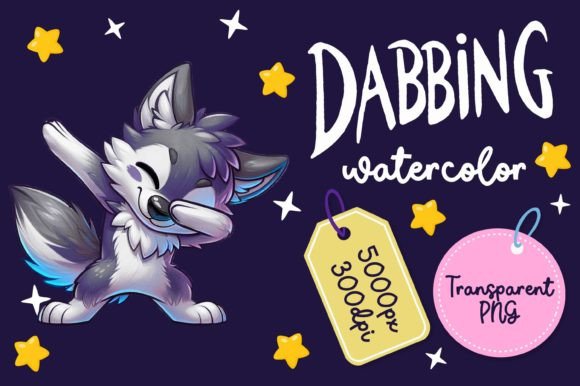
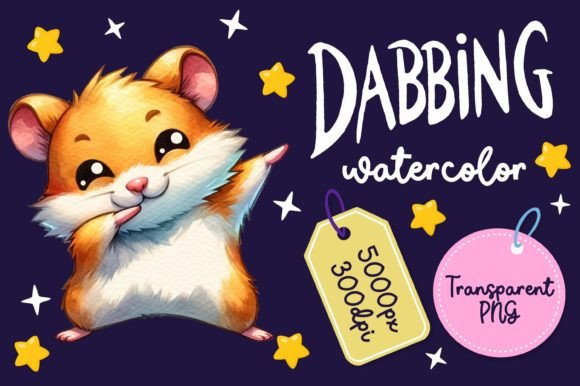
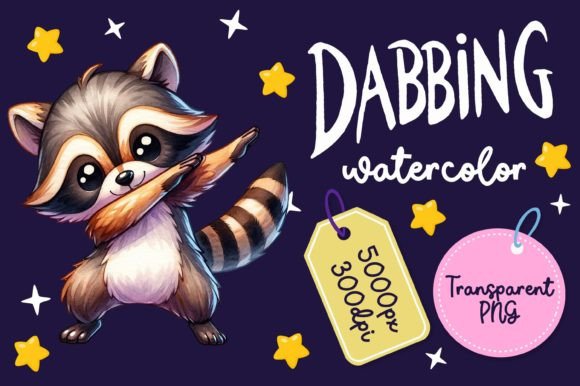
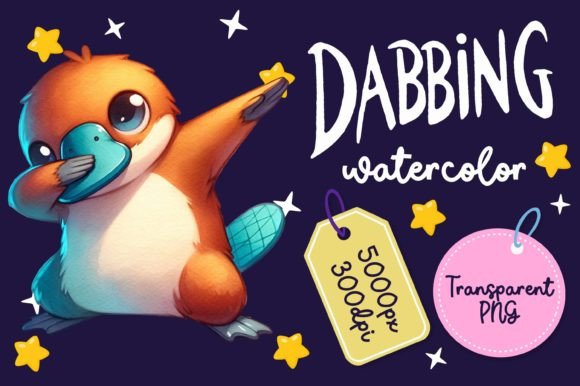
Opening the Cute Dabbing Platypus Watercolor design file, I was immediately struck by its playful, slightly cheeky vibe. The watercolor aesthetic gives it a soft, painterly look that’s both modern and nostalgic. It’s not your typical embroidery motif—this platypus is mid-dab, which adds a layer of humor and contemporary flair. The color blending feels intentional, not random, and there’s a nice balance between detail and simplicity. It reads as a design that wants to be noticed, but not overwhelming.
Where Does It Fit Best?
This design would thrive on items aimed at younger audiences or those looking to inject personality into their products. Think custom tote bags, sweatshirts, or pillow covers for a nursery or kids’ room. It also has potential as a personalized gift—imagine it stitched onto a tea towel with a name or date underneath for a quirky housewarming present. The watercolor style makes it versatile enough for both casual and boutique-style branding, especially for crafters or Etsy sellers targeting a fun, artistic niche.
Real-World Embroidery Performance
From a technical standpoint, the Cute Dabbing Platypus Watercolor is clean and well-structured. It’s a machine embroidery design that doesn’t overcomplicate itself with unnecessary details, which is a relief. The satin and fill stitches are balanced, and the outlines are sharp without being too rigid. On a custom sweatshirt, this would read clearly at a normal viewing distance, and the color transitions would stand out nicely against a light background.
Testing it on a stretchy cotton-blend hoodie, I noticed minimal distortion when using a medium-weight stabilizer. The platypus’s face and hand details held up well, though I’d recommend checking the hoop size if stitching on a curved surface like a cap. For applique designs, this would work as a focal point, especially when paired with simpler border elements or text.
Where to Use It Carefully
While the design is charming, it does have some delicate elements that could be tricky on certain materials. The subtle shading and color blending may get lost on textured fabrics like burlap or thick denim. Also, if you’re working with dark fabric, be sure to test thread color contrast first—some of the lighter watercolor strokes might not show up as expected.
On small hoop sizes, the platypus’s smaller facial features could lose clarity. If you’re planning to use this for holiday embroidery on tiny ornaments or gift tags, scale it down cautiously and preview the digital embroidery file in a mockup before stitching. And for layered garments or curved surfaces, make sure to use appropriate stabilizers and test tension settings to avoid distortion.
Design Impact on Product Value and Customer Appeal
One of the biggest strengths of the Cute Dabbing Platypus Watercolor is its ability to stand out while still feeling approachable. In the world of handmade products, where buyers are looking for something unique but not too obscure, this design strikes a good balance. It adds a touch of personality without being overly niche, which makes it ideal for small shop product lines or craft fair items that need broad appeal.
For digital product sellers, this design could serve as a great sample in a collection of quirky, modern illustrations. It’s easy to visualize across different product types, which helps buyers imagine how it might look in their own embroidery projects. As a reviewer, I’d say this design increases perceived value—especially when used in printable mockups or bundled with coordinating elements.
Designer Notes: Practical Tips Before You Stitch
- Test on scrap fabric first—especially if using on stretchy or textured materials.
- Check thread color contrast if stitching on dark backgrounds or with unconventional fabric tones.
- Review stitch density to avoid puckering, especially on lightweight cottons or baby items.
- Confirm hoop size before stitching on curved surfaces like caps or small items like patches.
- Inspect small details under magnification to ensure clarity after stitching.
- Test in black and white mockups to see how the design reads without color.
- Compare light and dark fabric backgrounds to determine best visual impact.
- Use proper stabilizer depending on fabric type and project size.
- Check licensing before selling finished items or including in commercial digital embroidery files.
Final Thoughts: A Fun, Flexible Design for Modern Makers
The Cute Dabbing Platypus Watercolor isn’t just a novelty—it’s a functional, adaptable design that fits well in a variety of craft business applications. Whether you’re an embroidery designer creating a themed collection or a small shop owner looking for something eye-catching, this design delivers both personality and practicality.
It’s particularly well-suited for those who want to appeal to a younger, trend-conscious audience without sacrificing the handmade charm that buyers love. Just be mindful of fabric choices and scale, and you’ll find this platypus brings more than just a smile—it brings solid value to your finished product line.