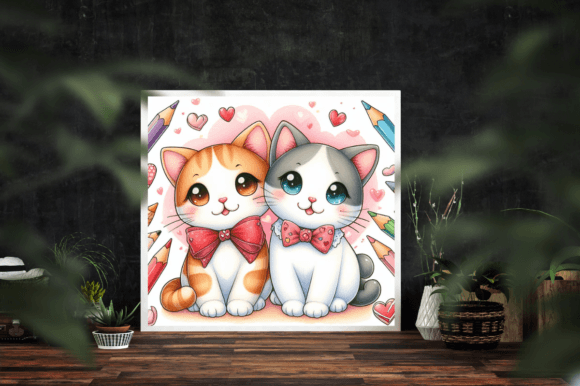
Watercolor Cat Illustration Clipart
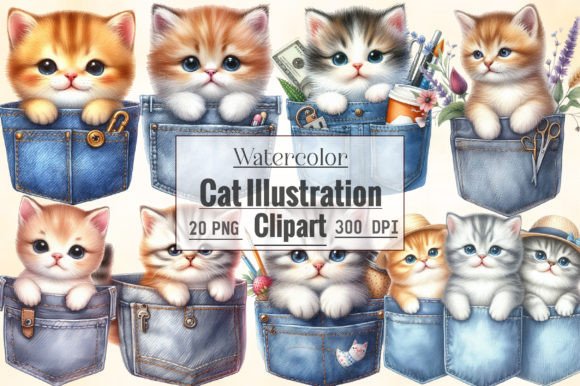
Opening the Watercolor Cat Illustration Clipart bundle, the first thing that stands out is its soft, hand-painted texture. The watercolor effect brings a sense of warmth and personality, making it ideal for brands that want to feel relatable, creative, and just a little bit playful. These illustrations aren’t overly polished, which gives them a human touch—perfect for lifestyle blogs, handmade product brands, and small businesses aiming for an emotional connection with their audience.
h2>Mood & Emotional Tone: Inviting and FamiliarThe illustrations carry a gentle, nostalgic tone. The muted watercolor palette and flowing brushstrokes evoke a sense of calm and comfort. This makes them particularly effective for content that needs to feel personal—think pet product launches, wellness content, or cozy home goods. From a brand communication standpoint, these visuals can help set a tone that’s approachable and trustworthy without veering into overly casual territory.
h2>Brand Identity & Logo Design: A Supporting Player with PersonalityWhile the Watercolor Cat Illustration Clipart isn’t meant to be a primary logo, it can absolutely enhance a brand’s supporting visual identity. Used subtly in logo variations, social media badges, or as part of a brand pattern, these illustrations add a touch of charm. They work especially well for brands that want to blend professionalism with a hint of artistic flair—think boutique pet shops, creative coaching platforms, or indie publishers.
h2>Social Media Graphics: Pinterest-Ready and Instagram-FriendlyThese illustrations shine in social media design. Whether used as a focal point in Pinterest pins or as decorative accents in Instagram stories, they help create a visual rhythm that guides the eye. When paired with clean typography and a cohesive color scheme, the Watercolor Cat Illustration Clipart can elevate the perceived quality of a post without overwhelming the message. This is especially valuable for content creators and small business owners building a consistent visual language across platforms.
h2>Packaging & Product Label Design: Adds Handmade AppealFor product-based brands, these illustrations can be a subtle but effective way to reinforce a handmade or artisanal image. Imagine a tea brand using a cat illustration in a watercolor style on a seasonal packaging insert or a candle company incorporating it into a holiday label design. The key is moderation—using the Watercolor Cat Illustration Clipart as a supporting element rather than the main design focus ensures it enhances rather than distracts.
h2>Email Marketing & Blog Graphics: Visual Interest Without ClutterOne of the biggest challenges in email and blog design is balancing visual appeal with readability. These illustrations, when used strategically, can serve as visual anchors that draw attention to key content blocks. For example, a lifestyle blogger could use a cat illustration as a decorative sidebar element or as part of a branded newsletter header. Just be sure to test how the illustration looks in black and white or on mobile devices to maintain accessibility and clarity.
h2>Web Design & Digital Ads: Balancing Aesthetic and FunctionalityIn web headers or digital ad banners, the Watercolor Cat Illustration Clipart adds a softness that contrasts nicely with more structured design elements. However, it’s important to ensure it doesn’t compete with the main message or call-to-action. In digital ads, for instance, the illustration should support the headline or product image rather than overshadow it. For web headers, pairing it with a clean font and ample white space ensures it contributes to a cohesive visual hierarchy.
h2>Content Creation Workflow: A Versatile Tool for Canva & BeyondWhether you're building a Canva template for seasonal promotions or designing a content kit for social media, this graphic design asset offers flexibility. Available in PNG and likely SVG formats, it scales well across digital and print use cases. Content creators can easily integrate these illustrations into branded templates, lead magnets, or editorial layouts—making them a valuable addition to any design bundle.
h2>Commercial Design Use: Licensing MattersBefore using the Watercolor Cat Illustration Clipart in a client project or paid campaign, always verify the commercial license. Most reputable creative marketplace platforms offer clear licensing terms, but it’s essential to confirm that the asset can be used in the intended context—especially if it will appear on physical products or in advertising. This step ensures your design work stays both professional and legally compliant.
h2>Where It Works Best: Hero Graphics, Campaign Headers, and Branded TemplatesThese illustrations are ideal for visual storytelling. Use them in hero graphics to set the tone of a campaign, in headers for seasonal promotions, or within branded templates that content creators can reuse. They also work well in printable design kits, digital product visuals, and even as subtle accents in packaging design. Their softness makes them especially effective in designs where the goal is to create an emotional connection rather than command attention.
h2>Where to Use with Caution: Formal Branding and Dense LayoutsWhile charming and versatile, the Watercolor Cat Illustration Clipart may not be the best fit for formal corporate branding or highly technical marketing materials. They can also get lost in dense layouts or clash with minimalist brand aesthetics. Avoid using them in small mobile graphics where detail is lost, or in text-heavy ads where they may distract from the core message.
h2>Final Designer Notes: Test, Adjust, and Integrate ThoughtfullyAs with any creative design, the key is to test the Watercolor Cat Illustration Clipart in real-world applications. Place it in mockups of your brand’s color palette, preview it on mobile screens, and check how it pairs with different font styles—from script font to display font. Review spacing, balance, and contrast to ensure it supports your overall design rather than competing with it. Done right, this design asset can become a subtle but powerful part of your brand’s visual toolkit.