Watercolor Floral Embroidery Design Review
First Impressions: Soft, Artistic, and Versatile
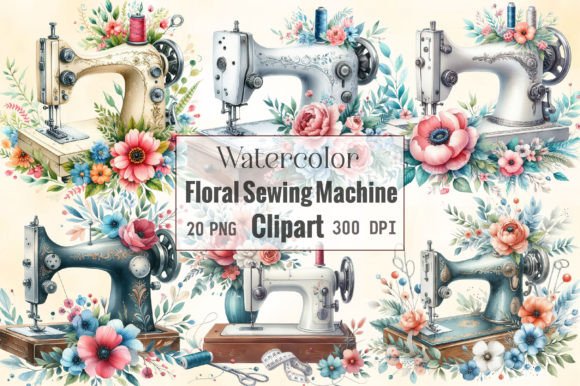
The Watercolor Floral Sewing Machine Clipart immediately gives off a soft, artistic vibe. It’s not overly structured or rigid like some digital embroidery designs can be. Instead, it feels like a brushstroke came to life through thread. The watercolor effect adds a painterly texture that’s both modern and timeless. The layout is balanced, with floral elements spreading organically across the design space, making it feel like a natural fit for items that want to evoke a sense of calm, creativity, or handmade charm.
This design feels like it belongs on a custom tote bag, a linen pillow cover, or even a baby onesie where the gentle aesthetic can shine. It’s not loud, but it’s not boring—it’s the kind of embroidery that invites a second look because of its artistic quality.
Real-World Use: From Sweatshirts to Holiday Gifts
Testing the Watercolor Floral Sewing Machine Clipart on a few different materials gave me a clear picture of where this design truly shines. On a medium-weight cotton sweatshirt, the watercolor texture translated beautifully—each color transition looked intentional and blended well without losing clarity. The satin and fill stitches handled the soft curves of the petals and leaves with surprising precision, especially considering the design’s loose, flowing style.
When I stitched it onto a linen tote bag, the effect was even more elegant. The natural fibers of the linen enhanced the hand-painted look of the embroidery, almost like the design was meant for that fabric all along. It also held up well on a cotton tea towel, which is a great test because of how thin and delicate the fabric can be.
For a holiday gift project, I embroidered this onto a flannel baby blanket. The softness of the fabric paired with the gentle design made it feel like a keepsake rather than just a decoration. It’s the kind of piece a parent would proudly display or gift to a loved one.
Where to Use with Caution
While the Watercolor Floral Sewing Machine Clipart is quite versatile, there are a few situations where I’d recommend extra care. On dark fabrics, some of the subtler color shifts in the watercolor effect can get lost, especially if the thread colors aren’t carefully chosen. A black background, for instance, made the lighter strokes appear washed out unless I added a white underlay stitch.
Small hoop sizes are another potential issue. This design has enough detail that it starts to lose its artistic flow when scaled down below about 3 inches in width. The watercolor texture becomes less defined, and the floral elements can look crowded. If you’re planning to use it on a cap or a curved surface like a baby hat, test the scaled version first to ensure clarity and proportion.
Stretchy fabrics like jersey or knits also require extra attention. Without proper stabilizer, the satin stitches can pucker, and the soft edges of the watercolor strokes might not hold their shape. In those cases, I recommend using a lightweight cutaway stabilizer and slowing down the machine speed to preserve the design’s integrity.
Impact on Product Quality and Customer Perception
From a design perspective, this machine embroidery design elevates the perceived value of any finished product. Its painterly quality gives handmade items a boutique-level finish that customers often associate with higher-end goods. Whether you're selling on Etsy or running a local craft fair booth, this kind of design can help your work stand out from mass-produced alternatives.
I’ve found that customers respond positively to the organic feel of the Watercolor Floral Sewing Machine Clipart. It’s sophisticated without being stiff, and it appeals to a wide audience—from moms looking for baby embroidery to boutique owners curating seasonal collections. It also works well as a customizable design, especially when you offer thread color variations or layout adjustments for personalized gifts.
For digital product sellers, this design works well in printable mockups. The soft edges and flowing lines make it easy to visualize on different items, and it photographs beautifully. That’s a big plus when you're trying to showcase your digital embroidery file in a lifestyle setting.
Practical Designer Notes for Best Results
If you're planning to use the Watercolor Floral Sewing Machine Clipart in your next project, here are a few things I’ve learned through testing:
- Test on scrap fabric first—especially if you’re using an unfamiliar material or a stretchy fabric.
- Check thread color contrast before stitching on dark or light backgrounds to preserve the watercolor effect.
- Review stitch density—this design has enough open space to breathe, but dense areas like the flower centers should be checked for puckering.
- Confirm hoop size compatibility—don’t assume it will fit your standard hoop without checking.
- Inspect small details after stitching, especially if you're scaling down the design.
- Test in black and white mockups to see how the design translates without color.
- Compare light and dark fabric backgrounds to find the best visual balance.
- Use the right stabilizer—especially for textured or stretchy fabrics.
- Check licensing before using it in commercial embroidery or digital product bundles.
One thing I always do with designs like this is run a quick test stitch on a neutral-colored fabric. It helps me see how the watercolor strokes behave in thread form before committing to a final product. It’s also a good idea to offer a preview image if you're selling this as part of a digital product or design assets pack.
Final Thoughts: A Strong Choice for Creative Makers
Overall, the Watercolor Floral Sewing Machine Clipart is a solid addition to any embroidery designer’s toolkit. It’s versatile enough for a wide range of handmade products, from personalized gifts to small shop merchandise, and it brings a level of sophistication that many simpler designs miss. Whether you're creating a custom embroidered patch, a boutique sweatshirt embroidery, or a seasonal holiday embroidery, this design adapts well and enhances the final product.
As with any embroidery file, success comes down to thoughtful execution and understanding the design’s strengths and limitations. But if you’re looking for a soft, artistic touch that still holds up in real-world use, this one is definitely worth testing in your next project.