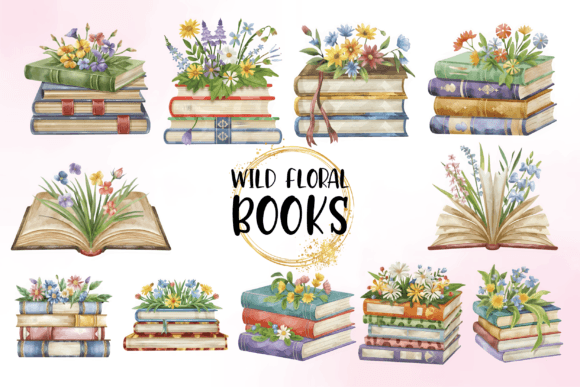
Watercolor Wild Flowers Books Clipart: A Designer’s Review for Real Content Publishing
As a blog designer and digital publisher, I'm always on the lookout for high-quality graphic design assets that can elevate editorial content and website visuals. The Watercolor Wild Flowers Books Clipart caught my eye with its soft, artistic aesthetic and editorial-friendly design. This set of illustrations offers a fresh take on botanical and literary themes, making it a strong contender for bloggers, educators, and creative entrepreneurs looking to enhance their visual storytelling.
First Impressions: A Soft, Artistic Editorial Vibe
The moment I opened the Watercolor Wild Flowers Books Clipart pack, I was struck by its delicate, hand-painted textures and warm, nature-inspired tones. The illustrations blend botanical elements with bookish motifs, creating a design language that feels both lifestyle-focused and artistic. It’s perfect for niches like book blogs, nature journals, creative writing platforms, and educational content that wants to feel approachable yet polished.
From a visual communication standpoint, this design asset leans into a feminine and whimsical mood, which can be ideal for content that wants to feel personal, expressive, and emotionally engaging. However, it may not suit serious corporate blogs or minimalist design systems that rely on clean, bold visuals.
Real Publishing Use Cases: From Blog Graphics to Digital Products
I tested this clipart in a variety of real-world publishing scenarios, and it performed surprisingly well across multiple formats. Here's where it shines:
- Blog Featured Images – The soft watercolor style works beautifully as a background or accent in article headers, especially when paired with serif fonts for a literary look.
- Pinterest Graphics – The floral and bookish motifs are highly visual and pin-friendly, making them ideal for Pinterest-driven traffic.
- Newsletter Headers – When used in email banners, the illustrations add a touch of warmth and creativity, helping newsletters stand out in crowded inboxes.
- Lead Magnets & Digital Guides – These illustrations elevate downloadable content, making eBooks, worksheets, and printables feel more professional and visually cohesive.
- Social Media Visuals – Especially effective on Instagram and Facebook for content that wants to feel curated and editorially styled.
How It Supports Content Performance
Visuals matter more than ever in content marketing, and the Watercolor Wild Flowers Books Clipart supports several key performance indicators:
- Stronger First Impression – The artistic design draws the eye immediately, setting a tone of creativity and quality.
- Clearer Visual Hierarchy – When used as accents or headers, these illustrations help guide the reader’s eye through the layout.
- Better Click-Through Potential – Especially in Pinterest and social media use, the visuals are engaging and shareable.
- Consistent Branding – Using these across multiple platforms helps reinforce a cohesive brand identity, especially for small business branding or niche blogs.
- Improved Reader Trust – Professionally designed graphics signal credibility and effort, which readers subconsciously associate with quality content.
Where It Works Best: Hero Images, Pinterest, and Editorial Accents
This design asset excels in larger visual formats where the watercolor textures can breathe. It’s especially effective in:
- Hero Images – As a background or overlay on landing pages or editorial headers.
- Article Thumbnails – Adds a decorative yet thematic touch to blog post visuals.
- Editorial Accents – Use as dividers, pull quotes, or sidebar elements in long-form content.
- Content Upgrades – Enhances lead magnets and downloadable printables, making them feel more valuable.
- Social Media Previews – Perfect for quote graphics, book covers, and inspirational posts.
Where to Use It Carefully: Minimalist and Mobile-First Layouts
While the Watercolor Wild Flowers Books Clipart is visually rich, it does require thoughtful placement. It’s best avoided in the following situations:
- Small Mobile Thumbnails – The fine details can get lost on smaller screens.
- Text-Heavy Blog Images – May compete with headline text, especially if contrast is low.
- Low-Contrast Backgrounds – Can make text hard to read if not layered properly.
- Busy Layouts – In already complex designs, these illustrations might add visual clutter.
- Corporate or Serious Content – The whimsical style may not align with professional or technical niches.
Publisher’s Checklist: Test Before You Publish
Before using any design asset in a live content environment, I always run a series of practical tests. Here’s what I recommend when working with the Watercolor Wild Flowers Books Clipart:
- Test on Desktop & Mobile Screens – Ensure the illustrations look crisp and readable on all devices.
- Preview in Real Blog Layouts – Don’t just view in isolation—see how it integrates with your theme and fonts.
- Check Text Readability – Overlay headlines and body text to ensure legibility against the watercolor backgrounds.
- Try in Black & White – See how the design holds up if color isn’t an option.
- Pair with Different Fonts – Test with serif, sans-serif, script, and display fonts to find the best typographic match.
- Review File Size – Optimize for web performance by compressing images without losing quality.
- Confirm Licensing – Make sure the asset includes a commercial license if you're using it on monetized websites, affiliate pages, or paid digital products.
Final Thoughts: A Versatile Design Asset for Creative Publishers
If you're a content creator, blogger, or online educator looking to infuse your work with a sense of artistry and warmth, the Watercolor Wild Flowers Books Clipart is a solid investment. It supports a wide range of editorial and digital product use cases, helping your content feel more clickable, trustworthy, and professionally designed.
Just remember to use it thoughtfully—especially in mobile-first and minimalist contexts—and always test it in your actual publishing workflow before going live. When used right, this graphic design asset can become a go-to element in your visual toolkit, supporting your brand identity and content marketing goals across your website, social media, and digital downloads.